
How To Choose an In House Water Softener
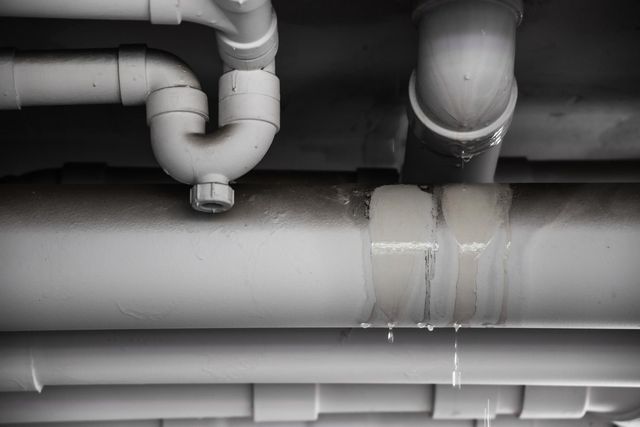
Most homes experience issues with hard water containing minerals like calcium or magnesium. These minerals can cause skin irritation and damage to pipes, faucets, and appliances. Installing a water softener can improve your home’s water quality and comfort.
Water Softener Size
A professional plumbing contractor will install a water softener appropriate for your household. The device alters incoming water to remove minerals. Size selection depends on factors like household occupancy and whether animals live on the property.
Water Softener Maintenance
After installation, basic maintenance becomes necessary. The primary maintenance task is regeneration—as the softener removes minerals, the resin bed accumulates coating. You will need to regenerate the resin bed using water softener salt and water. Your plumbing professional will provide guidance on proper frequency and procedure.
Other Considerations
Some homeowners prefer softening only hot water supplies. Since trace amounts of salt can be left in the water, limiting softening to hot water protects drinking and cooking water from salt residue while still protecting appliances and fixtures from hard water damage.
Additionally, understand that water softening differs from filtration or purification. Those seeking filtered or purified water should install separate systems. Most softening systems integrate well with filtration or purification equipment.
Consult a local plumbing professional about water softening and filtration options for your specific needs.
Why Colorado Springs Homeowners Notice Hard Water
Colorado Springs draws its municipal water from a mix of mountain reservoirs, wells, and imported sources — and depending on where you live, hardness levels commonly land in the “moderately hard” to “hard” range. That’s why so many homeowners in Broadmoor, Briargate, Falcon, and Monument notice cloudy glassware, chalky white spots on faucets, dry skin after showers, and shortened water-heater life. Hard water isn’t a health issue, but it forces every appliance that touches water — dishwasher, washing machine, ice maker, tankless water heater — to work harder and wear out sooner. A properly sized softener typically pays for itself in extended appliance life, reduced soap and detergent use, and a noticeable comfort upgrade in the shower.
Salt-Based vs. Salt-Free Systems
The two most common options are traditional ion-exchange (salt-based) softeners and salt-free “conditioners.” Ion-exchange systems physically remove hardness minerals and produce the softest water, but they require salt refills and a small amount of backwash water during regeneration. Salt-free systems don’t remove minerals — they change the mineral structure so scale is less likely to stick to pipes and fixtures. They’re lower maintenance and add no sodium, but they won’t give you the classic “slick” feel of softened water. Ask your plumber to test your hardness in grains per gallon and match the system to your household’s real usage, not just square footage.
Installation and Placement Tips
The softener installs on your main water line, ideally after the pressure regulator and before the water heater so the heater sees softened water. Leave room for salt storage, easy access to the bypass valve, and a floor drain nearby for the regeneration cycle discharge. A licensed plumber will also confirm your incoming pressure is within range and install shutoff valves so future service is straightforward. Done right, a softener is a quiet upgrade you’ll appreciate every day for the next 10–15 years.